
I’m really thrilled to present the first interview for this new Edge of Frame Substack - a conversation with animator Amanda Bonaiuto!
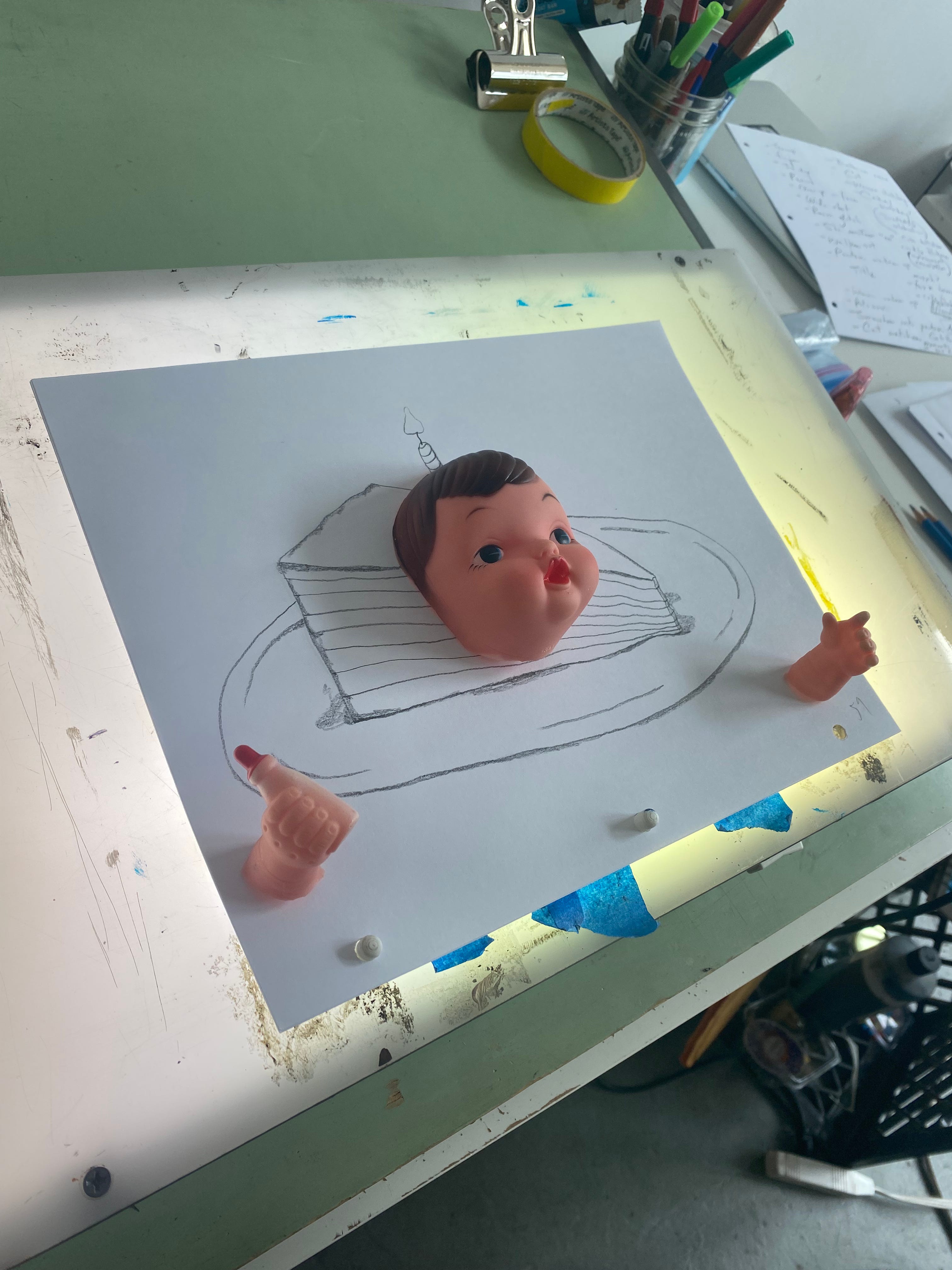
We discuss Amanda’s background, influences and process, and get really into her new film Confetti (her best yet, in my opinion). The film is currently doing the rounds of festivals internationally, and I’ll be showing it at an Edge of Frame screening here in London next year, so watch out for it coming to a screen near you. I’m very grateful to Amanda for her words about the film and also for generously sharing some of her fascinating in-process sketches, photos and footage.
Amanda Bonaiuto is an animation director, artist and assistant professor of Illustration at Parsons School of Design. Her films have been shown at film festivals and prestigious institutions around the world including Slamdance, Annecy, Ottawa, Ann Arbor and many others. She holds an MFA in Experimental Animation from CalArts, and a BFA from the School of the Museum of Fine Arts, Boston. She also offers animation mentorship independently and makes commissions in her studio in Brooklyn, NY.
Amanda’s work has a really special place in my heart. Beyond her wonderful characters and scenarios it is the animation and drawing itself that somehow communicates so directly to me. Her style is completely distinctive and entirely her own, and at the heart of it is the drawn line. There is a particular sense of weight to her characters and the way they move which seems somehow essential to her work. Whilst there is abundant variety in her human and animal creations, they all seem to carry some shared DNA – something that just comes through whenever she draws and animates. This does not just happen of course, and striking a balance between control and letting go requires sensitivity, experience and skill. It is also what she does with her individual brand of animation that makes it so interesting; the places she takes us – both in the world and in the mind, and the unusual things that happen there.
Amanda’s work has taken us to some wonderfully wild and enjoyable places over the course of her prolific output so far. In her short films, Batfish Soup (2018), Hedge (2016) and this year’s Confetti, as well as numerous music videos for the likes of Chris P. Thompson and King Gizzard and the Lizard Wizard, and not to mention exquisite work on documentaries such as Matthew Beck’s great Noble Planta for the New Yorker, we often end up hovering between humour and something more disconcerting. Confetti has a somewhat different tone to her previous films, and feels at once more real and more abstracted. I love its powerful, mysterious atmosphere, and it was a real joy to speak with Amanda about the making of this new piece, and how it fits into her wider body of work.
EoF: Could you tell us a bit about your background and how you came to work with animation?
AB: I don’t come from a family of artists but I was really into painting and drawing as a teenager. I spent all of my time after school in the art room at my public high school, and over the summers I became buds with the school janitor who would unlock the room for me so I could work there. I had a high school teacher who introduced me to so many things like The Brothers Quay, Henry Darger, Bjork, Mary Blair, Fugazi, Bikini Kill, so many artists, musicians, etc - he really changed my life and influenced me big time. I ended up going to art school for a BFA. The school I went to was completely interdisciplinary, we had no majors or grades which was challenging for a 17/18 year old, but I ended up trying a lot of disciplines. I went in thinking I wanted to be a painter, and left feeling like I had a lot of skills in my tool belt. I did some animation and video installation work while in school alongside painting, drawing, and sculpture, and considered animation one small part of a larger art practice. At the time I thought defining myself as an animator was too narrow, which now of course I don’t believe at all. After a couple of years working a variety of odd jobs and maintaining an art practice, I decided to pursue a masters at CalArts in Experimental Animation.
EoF: What is it about hand-drawn animation that particularly attracts you?
AB: The flexibility of drawing is so fascinating to me and all that it allows you to do. It’s so rubbery and stretchy and nebulous, or really rigid and strict depending on how you treat it. I also just really identify as a draw-er these days. Amy Sillman has been particularly inspiring in that respect, she describes drawers as beavers, which I love and interpret as drawers are people who chisel away at the bones of a thing. That's what it feels like to draw as a way of thinking through something, scratching away or rubbing things out until something emerges. Hand drawn animation can feel inherently limited in some ways, but it’s simultaneously limitless and expansive. I think in the process of making hand drawn animation I’m just so absorbed in the deliciousness of it, I find a lot of pleasure in the process of drawing frames. Beyond my own limitations and habits in drawing, the result usually varies and is often surprising and liberatory. It’s also sometimes frustrating and funny when you’ve drawn something and step back and realize you’ve drawn it 100 times before.
EoF: Could you describe your current animation process /set-up? Has it changed much over the years?
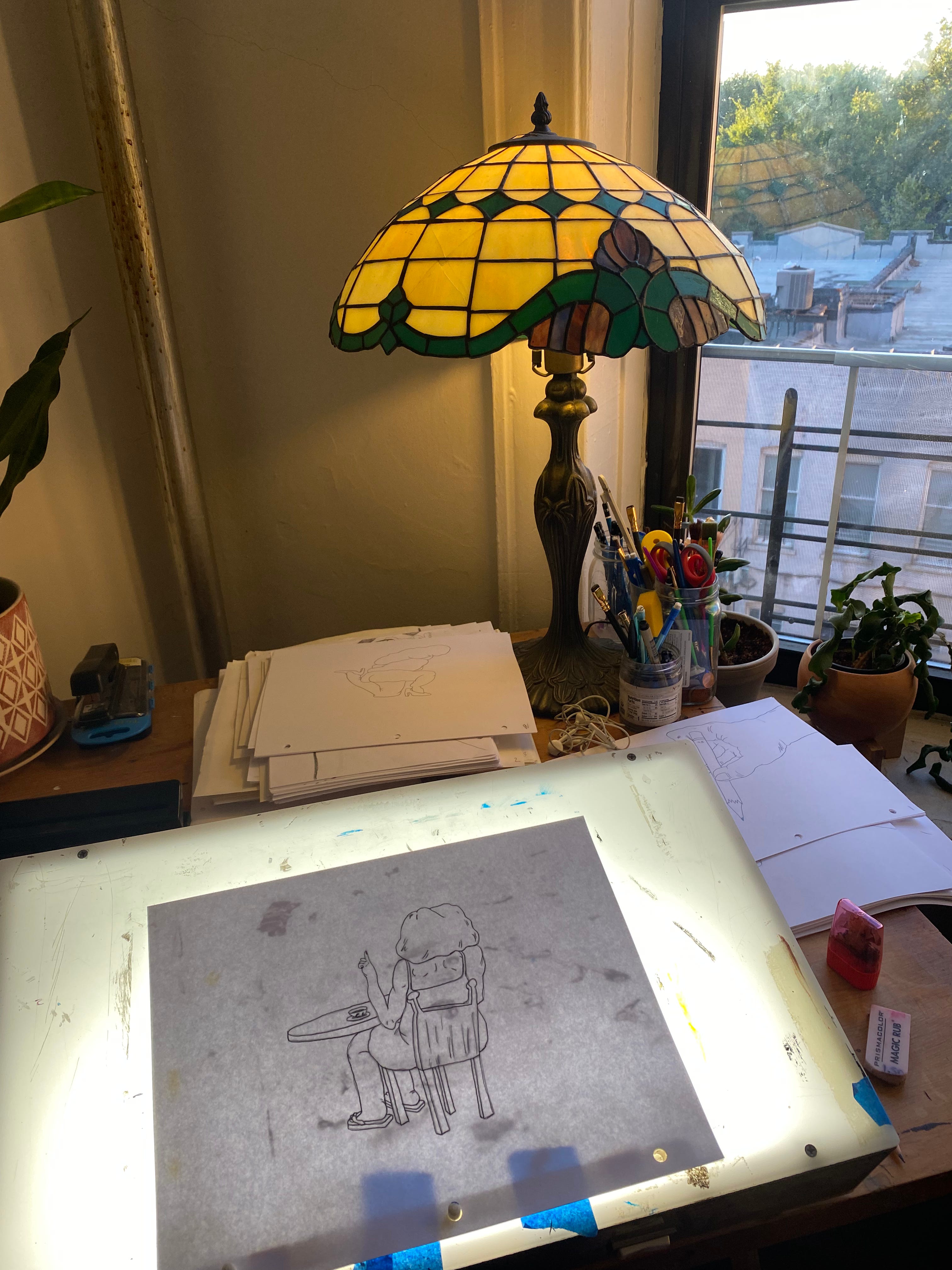
AB: I work a lot on paper with graphite, and either photograph or scan my drawings. I also sometimes incorporate TVPaint into a process, but for my own personal work I always gravitate toward physical materials. For a long time I was photographing all of my animation on a downshooter set up and was really messy about it, not caring about lighting or consistency much at all. That effect integrated into my work in some ways and I still enjoy the wildcard element of that process. More recently though, I went to an artist residency in Upstate NY and didn’t have access to my usual set up, and could only capture my drawings with a small scanner. I was initially resistant to the cleanliness of each scan and planned to re-photograph later, but then became a total scanner convert once I realized that it simplified my workflow in a number of ways, and the scanned image has a really nice grain that I can work with in post.
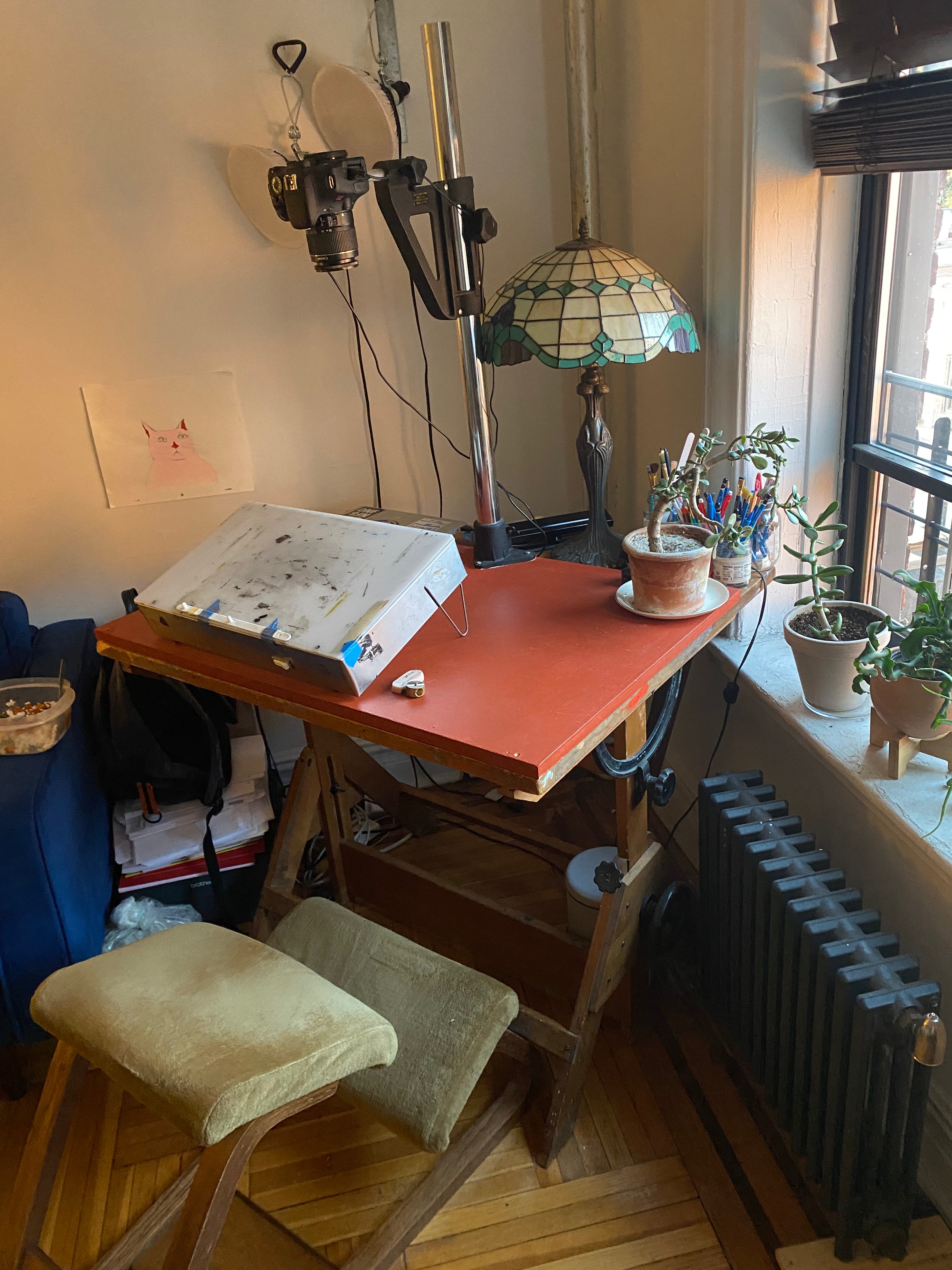
EoF: I’d like to talk about your latest film Confetti, which is such a wonderful and rewarding work. To me it feels like an exciting development from your previous two short films (which I loved), and also a bit of a shift in certain respects. I wondered what does it mean to you at this point in time?
AB: Thanks for that! I really don’t know what it means as far as a shift in my larger body of work but it was the most pleasurable experience I’ve had so far in making a film. I know that this film just wanted to come out and be done with, so I really let go of anything that was getting in the way of finishing it and let it be what it was going to be. A part of that was letting go of a clear narrative in a big way, and letting associations be the guiding principle of the thing. I normally stress a lot more, but because I was so actively engaged with this process and let things change right up until the end, I didn’t stress as much. I’m happy with it in a lot of ways and excited by what it introduced into my practice.
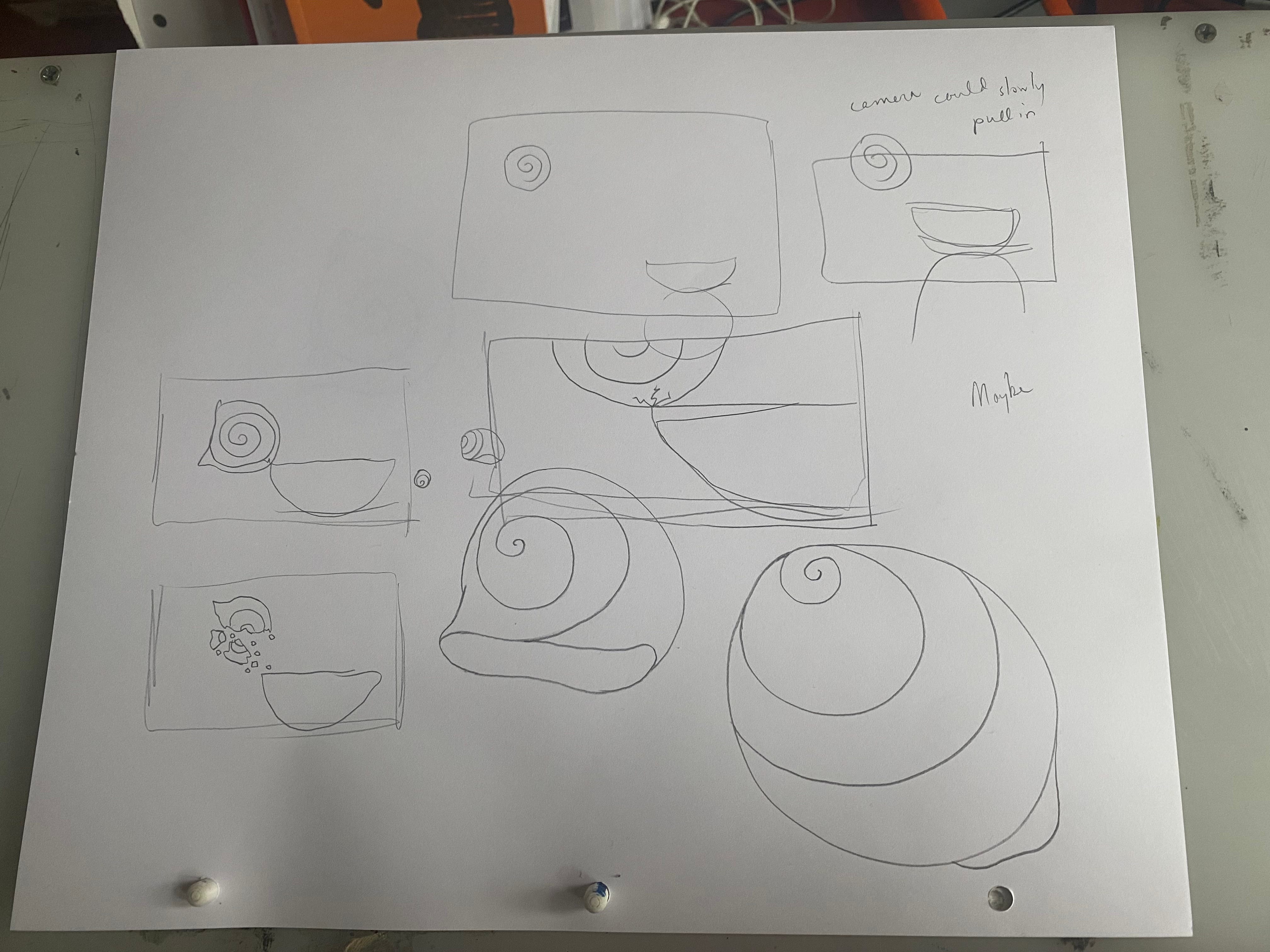
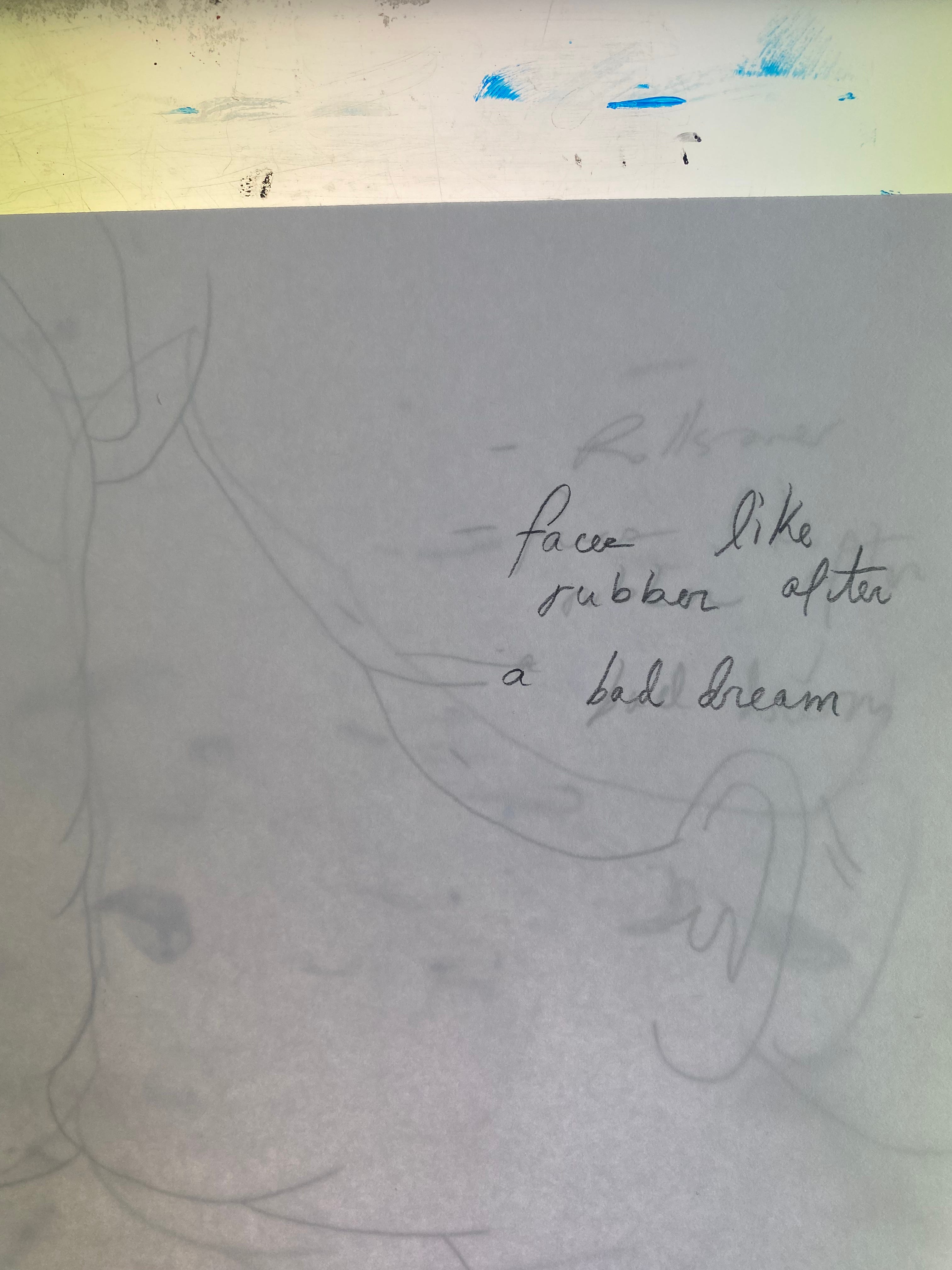
The process for Confetti was fluid and motivated by drawing. I would draw images and then just animate them straight ahead. Often I would then decide on scenes in clusters based on drawings that felt good, animate them and then see what those scenes introduced into the film as a whole. Another notable part of the process for this film was reading - I found that the books I was reading were making an impression on the images I was making, so there are some motifs from books that made their way into the film, in particular Pond by Claire Louise Bennett. There’s a chapter in Pond where a child is clacking two snail shells together, and taunts another child by throwing the snails. Snails had already become a big part of Confetti, and there was something so visceral and related to me about that chapter that I ended up bringing the scene of snail clicking and shell throwing into the film pretty directly.
As far as other life shifts, I started a group in New York for experimental animators called “Experimental Animation Cheerleaders” with a few friends last year, and that also really helped with moving this piece forward and allowed the process to be different than my previous films by the sheer encouragement of the group. The film itself is a meditation on the inevitability of change, the body falling apart, relationships falling apart. Talking about deterioration through a sensory and stretchy, less narrative experience felt right to me.
EoF: To me Confetti definitely feels less ‘story’ oriented than your previous films. I’m interested in your relationship to narrative structure and how that has changed over your three short films. There is a pretty clear narrative in Batfish Soup. In Hedge it’s more of an overlapping series of events in one place. With Confetti the connective tissue seems different. What holds the images, sequences, events together - even though there are two recurring human characters and some recurring locations - is much less woven into a narrative. Instead shots are structured more like a train of thoughts, or chains of associations of images, or actions, with recurring elements (objects, characters, actions) in different combinations. That made me think about choreography a bit too, which I don’t know much about! but I am really interested in how it relates to animation - and film structure too. Is that something you have thought about? Does it relate to Confetti and its structure?
AB: Yeah, that's true. Batfish Soup was my first hand-drawn animation made during my first year of graduate study at CalArts. Before that I had been making soft puppets and cel painted cutout animations, a really different process but similar energy. With Batfish I had a really specific idea that I wanted to explore for the film, and I was dying to animate an entire film with pencil and paper. It was basically locked in as soon as I started, I worked from an animatic and just went for it and didn’t change much as I went along. The process of hand drawn animation itself felt so freeing and complex to engage with that I wasn’t thinking too much about narrative structure, and felt I was telling a story from beginning to end. Hedge was much more challenging, I felt really undecided about what I wanted the film to communicate and the subject was heavier for me.
During the production of Hedge, I started to think about film structure in a more complex way and thought it could be interesting to take my storyboard and fragment it, and then see what happens if I put it back together again in a different order. Once I’d done that, the film opened up into something that felt choreographic, and the way I moved forward from there kept that notion in mind. I think this choice pushed the film into something that moved more like an ensemble piece with several narratives happening simultaneously.
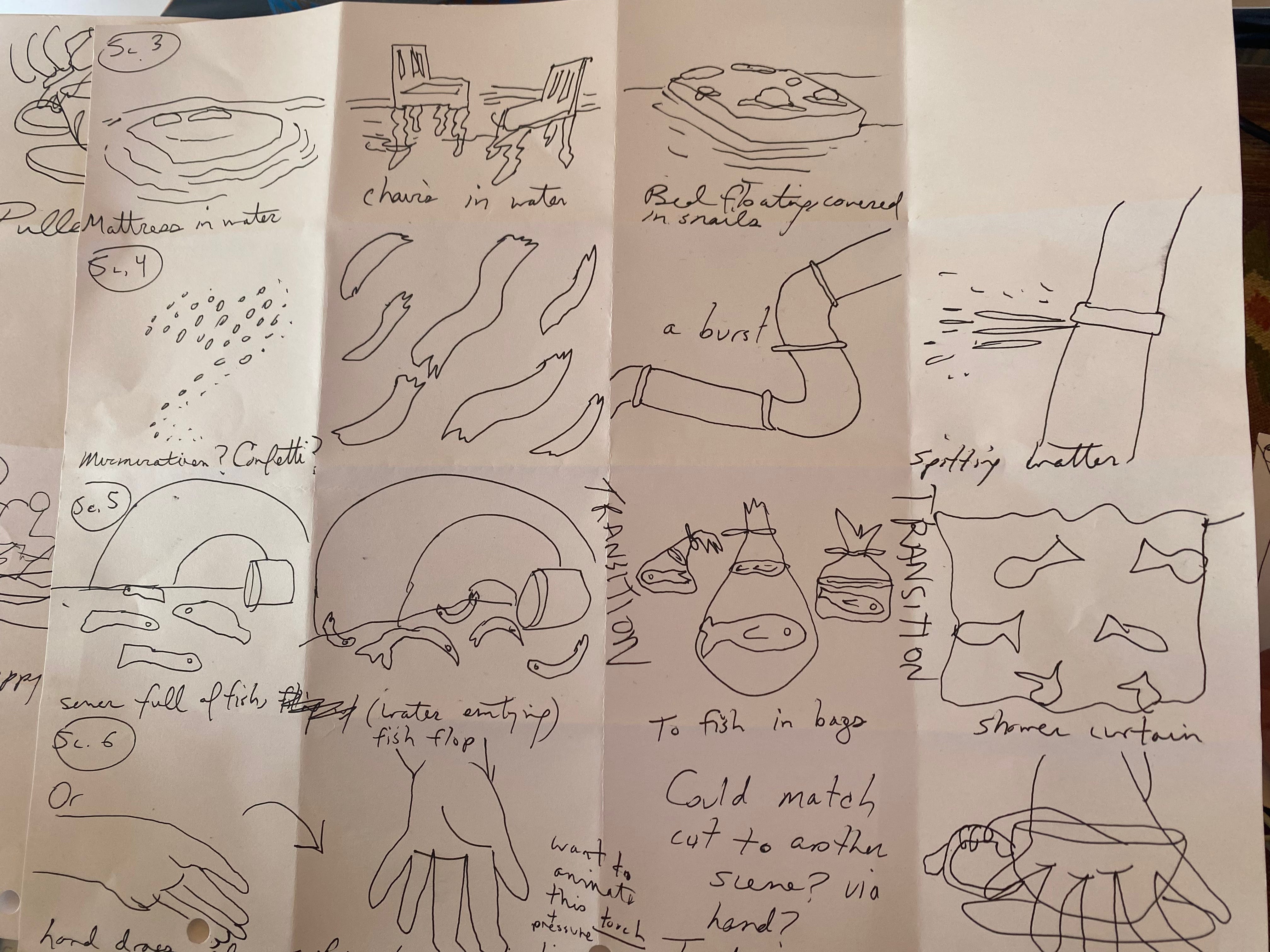
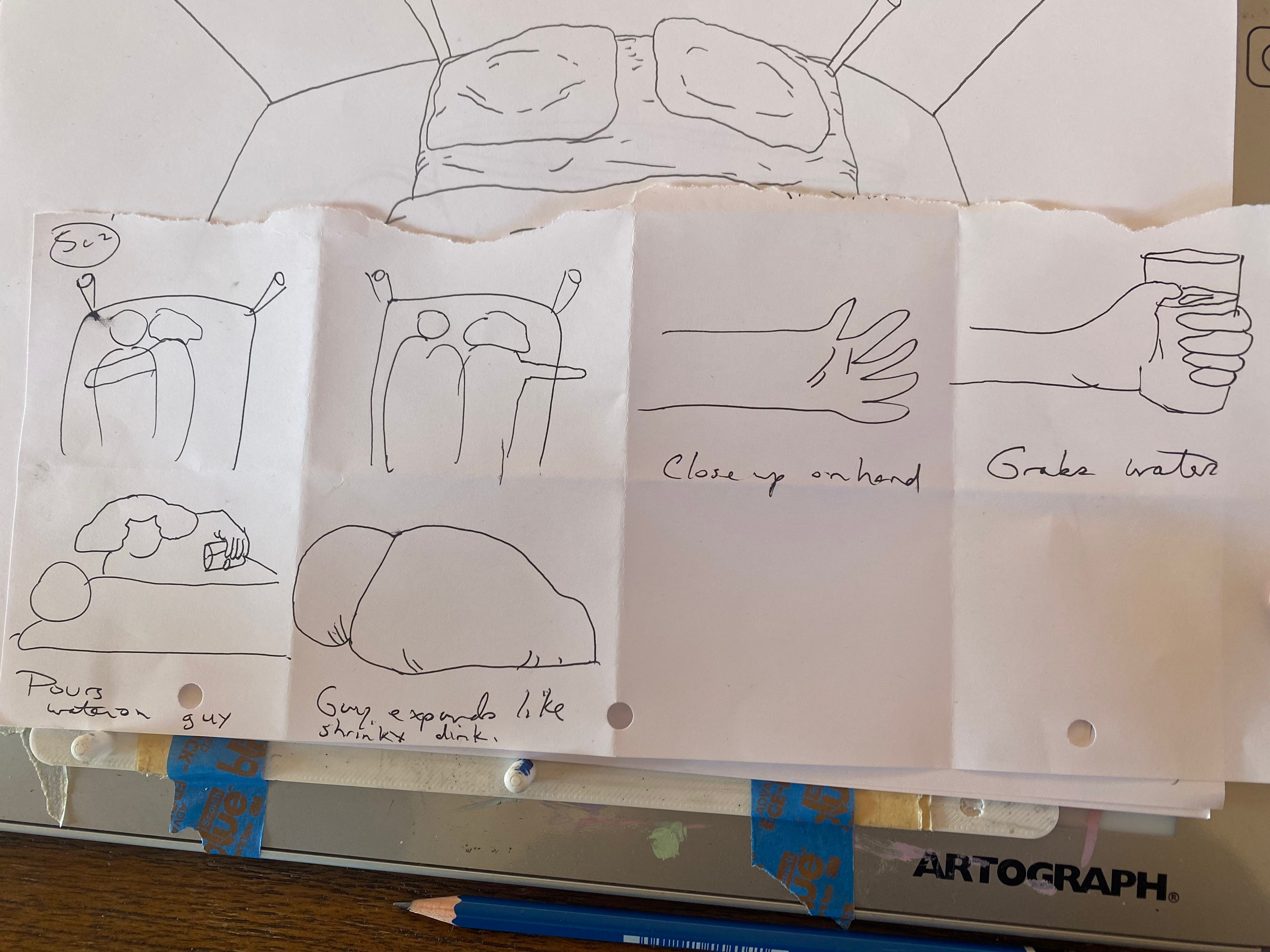
There was a five year gap between Hedge and Confetti where I’d been making tons of commissioned work, and beyond small experiments I hadn’t been able to make my own personal films. Though most of the commissions I made during that period were creatively open and self directed, I was ready to make something that allowed me complete freedom to stretch out a bit. Though Confetti wasn’t on the heels of Hedge, I think the lessons I learned in Hedge made their way into Confetti and then got pushed even further into a film that feels more stream of consciousness. I think overall Confetti is more impulsive.
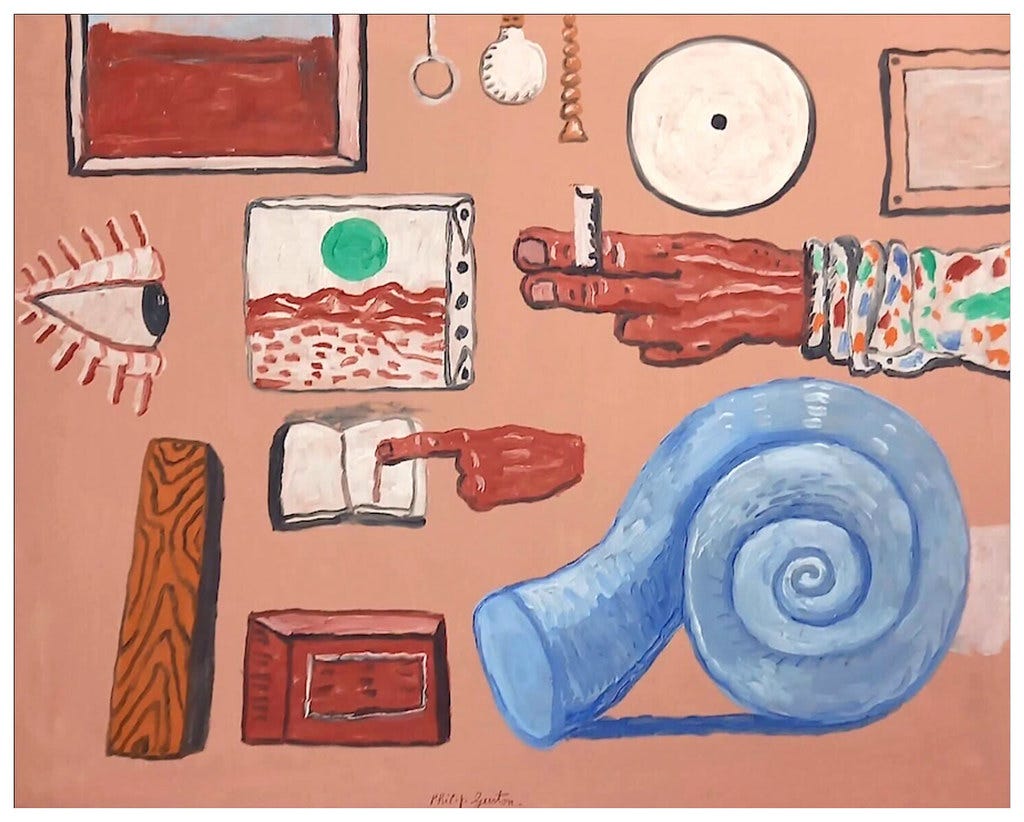
EoF: The film also made me think a bit about Philip Guston - I see a stylistic connection in Confetti to some of his later work, but then that made me think about other elements of the film in relation to his work too - like the structure of the film in relation to his later series of drawings or paintings, where a kind of world is implied by this recurring cast of objects, in different combinations. Were you thinking about Guston’s work at all while making this film?
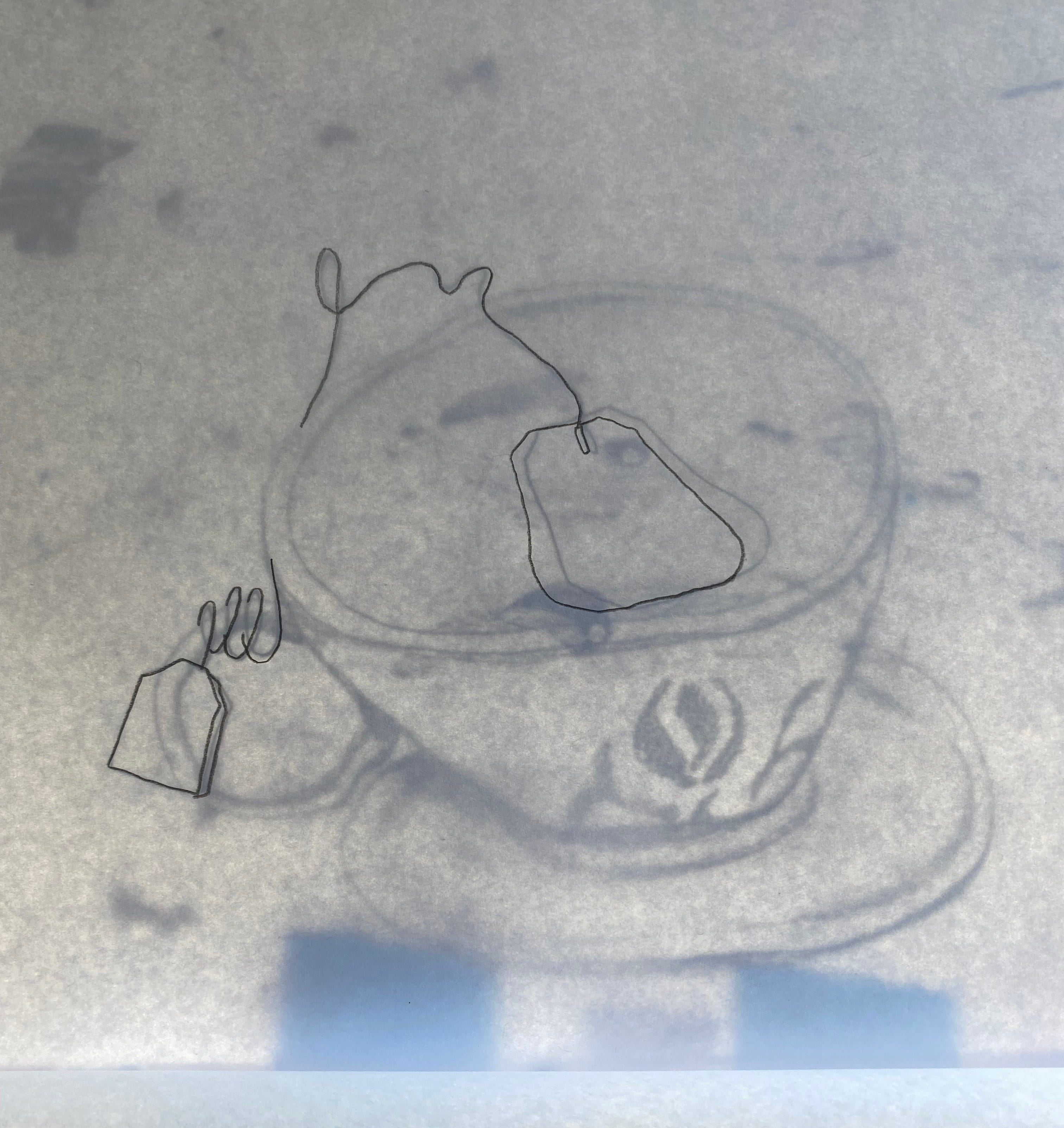
AB: I wasn’t thinking about Guston but I love the association, and this question led me to buying two books about him! I was thinking about building a logic via a recurring cast of objects and characters and finding relationships between them. That in essence is the framework of the film and the process of making it. Snails, oozing organic matter, the teacup, and the flip flop. They all recur in different ways, mimic each other, and escalate.
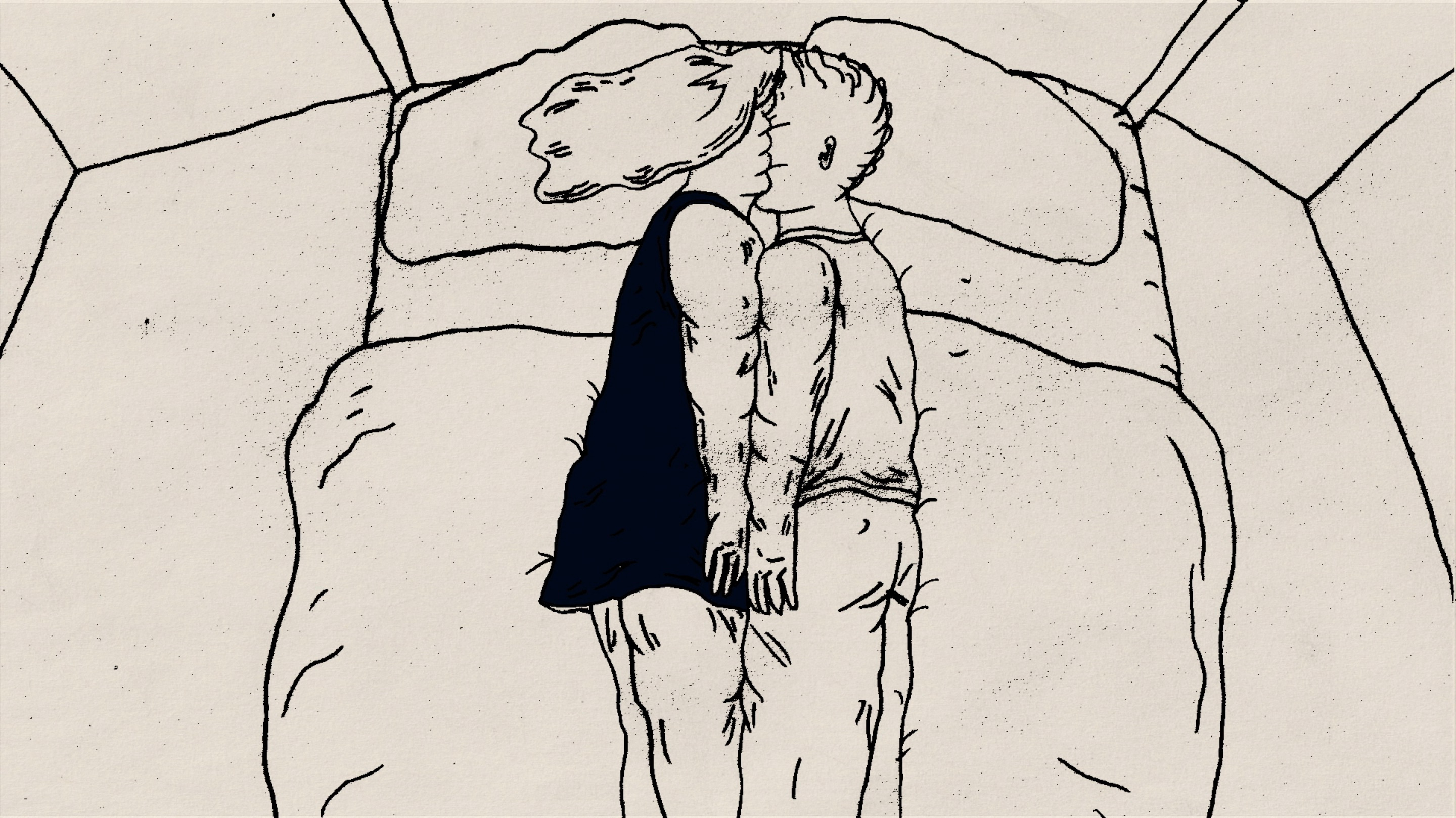
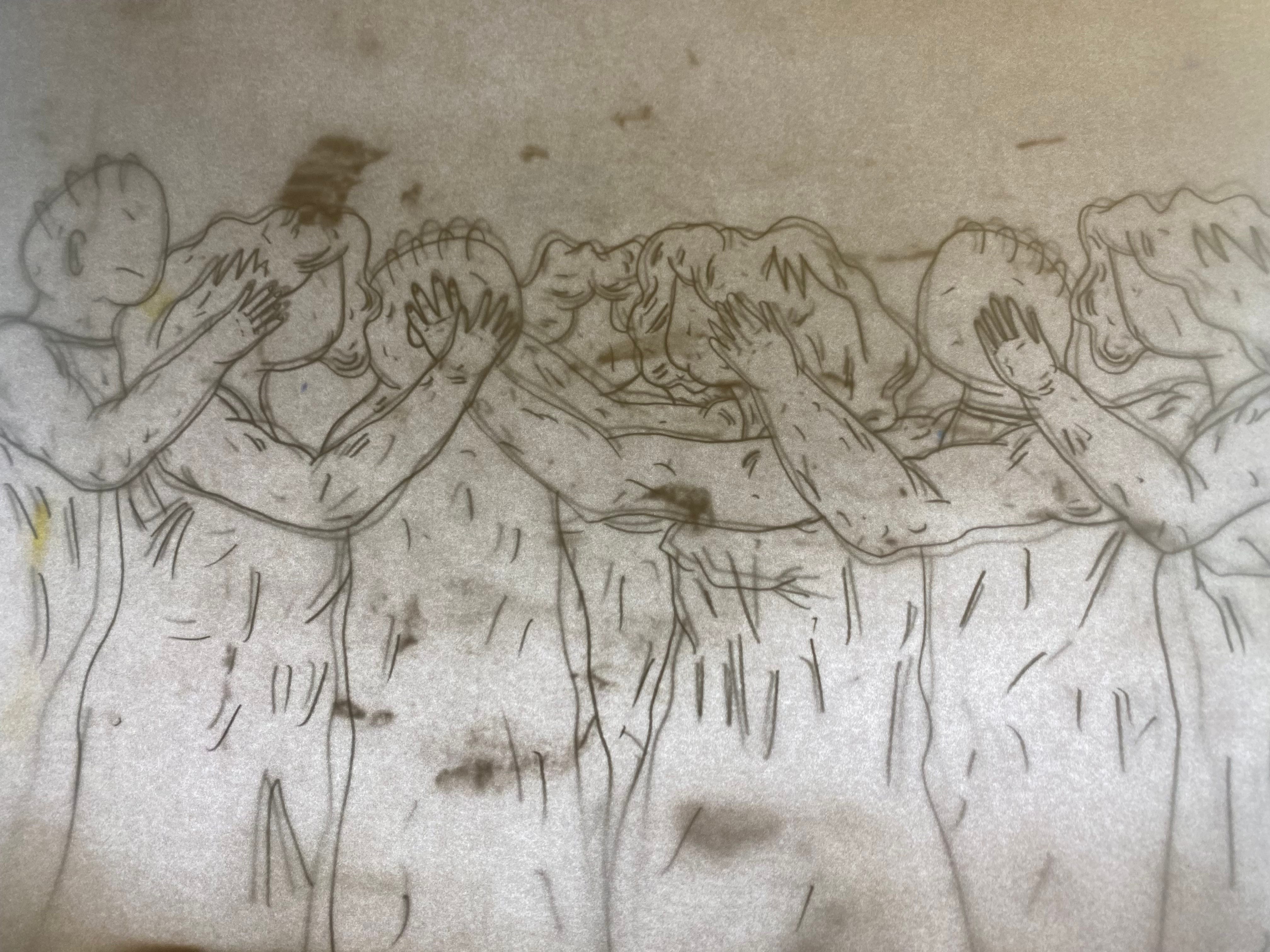
EoF: Confetti seems more physical and urgent than your previous work - the texture and marks of the drawing with just black lines / marks and no colouring. There is a feeling of spontaneity and freedom, but also a kind of nervous energy which is enjoyable in itself but also feels like part of the meaning of the film. There are real moments of tension in the film, and then we see things breaking, deflating, melting, unravelling, ballooning, losing control, letting go… Can you talk about this letting go? Does it relate to the change in your filmmaking?
AB: I was preoccupied with thinking about deterioration and bodies while I was making it, and that was the driver for a lot of the animation. I wanted the film to feel kinetic and more sensory than anything else, like a fever dream. When it came to color there was no point where I could picture the film with color, and once I’d scanned the frames and discovered the textures in the scans themselves, the image felt finished. I had thought this film was a bit shy and quiet right when I finished it, but then at its premiere at OIAF the feedback I was getting was that the film was stressful and disturbed a few people, haha. I like that it feels physical and urgent, I think I’m becoming more aware of that as time passes. The nervous energy and tension in the film have everything to do with letting go and enduring that discomfort.
EoF: Where do you feel this film has taken you with your work? Do you have a sense of how your work might develop or transform next?
AB: I’m currently working on a new film which (at the moment) is more narratively coherent but still plays with structure in a nontraditional way. I’m going to see how far I can push this one narratively while holding together a little bit more of a plot thread, and simultaneously going wild with the animation. I’m using graphite and also cel painting for this one. It centers around two middle aged sisters who live on the outskirts of a small town in New England, and they think they’re being hunted. Their paranoia ultimately leads to their own self-annihilation. It has elements of folklore and rural small town politics, and focuses on the environment, and it will also borrow the hallucinatory quality of Confetti. The research I’m doing for this film has also been quite heavily rooted in reading (mostly fiction) around small town alienation and isolation.
EoF: After watching it several times in a row, I thought Confetti could work really well as a looping installation. You really get deeper into the underlying energies and connections on repeated viewings. And its not such a narrative-based film, you could almost start at any point and end at any point and it would be similarly rewarding. Do you think about showing in gallery contexts? Do you show drawing or other non-animation works? Did we once talk about you making rugs??
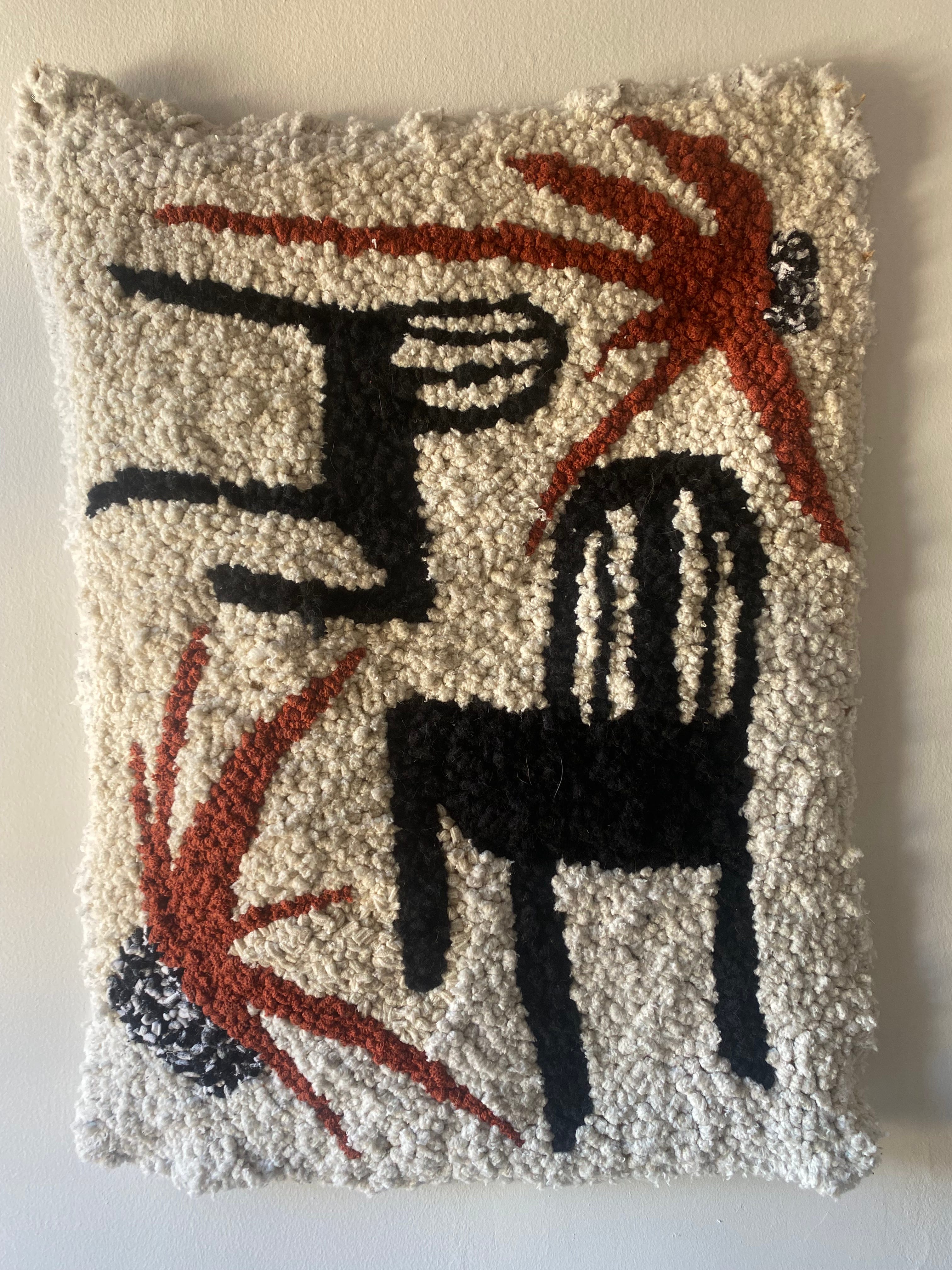
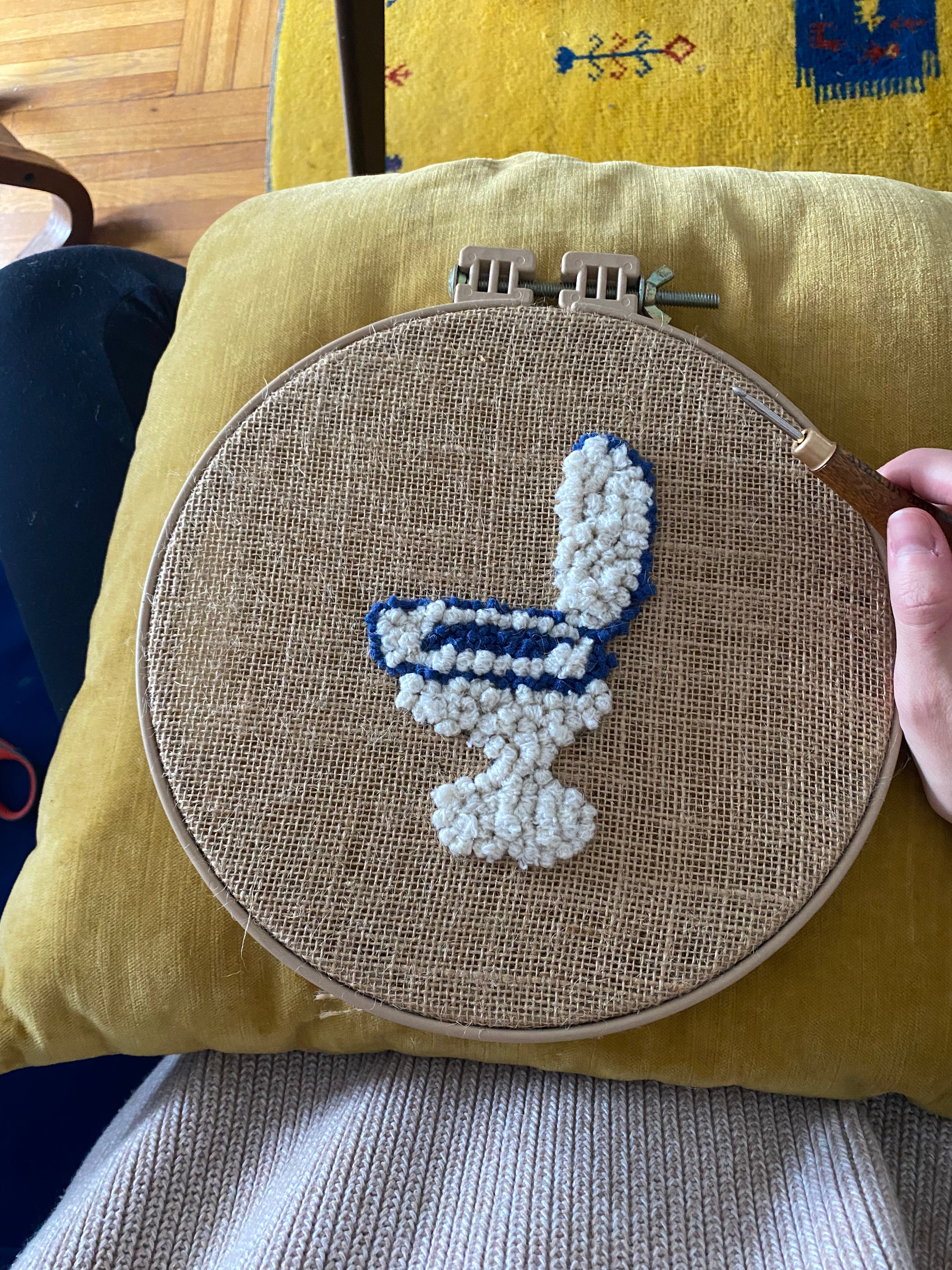
AB: Yes! I agree, I’m interested in finding opportunities to show Confetti as an installation of some kind. I used to show my work more often in gallery contexts and in video installations but have done so sparingly in the last few years. I’ve shown drawings on their own, and yes! Last year I went to a county fair in Maine and a woman taught me how to pull rugs on the spot, and I’ve been making them on and off since then. I showed some small rugs in a gallery space in Chinatown in March. I’m slowly working on some larger ones right now as a triptych. I’m using recycled wool and burlap to make them, it's a meditative process but also feels a bit like animation with so many small actions making up the whole image.
EoF: I’d like to finish by talking a bit about animation and community - I guess there is a loose experimental animation community which is kind of fragmented but with these strong mini-communities which sometimes overlap. I know you were at CalArts which is a very strong nexus of experimental animators, but now you’re in New York you seem to put some real effort into nurturing your own animation community there too. Could you talk a bit about this and its importance to you?
AB: Nurturing an independent animation community has become a big part of my life, yes! It’s a new(er) thing for me - I was never into organizing when I was younger and considered myself brutally shy for a long time. I think CalArts shook me out of that a little bit, but then moving to NY and finding myself out of that tight CalArts loop helped to cultivate an urge to bring people together. I really value community for community’s sake, so it’s not about bringing people together to network. I’ve done several animator picnics here, which started out as 10 or so people, and the last one had maybe 80-90 people. What I love about those picnics is that they aren’t networking events in the way that they could be, they’re just people with common interests coming together and spending time outside. Teaching has also played a big role in this, and many of the people who show up to picnics are students or previous students. I think it's important for spaces to exist that treat students as already belonging, kind of railing against this idea that you have to “break into” a community. I prefer to show them that the community is here and you are already a part of it, no breaking in necessary.
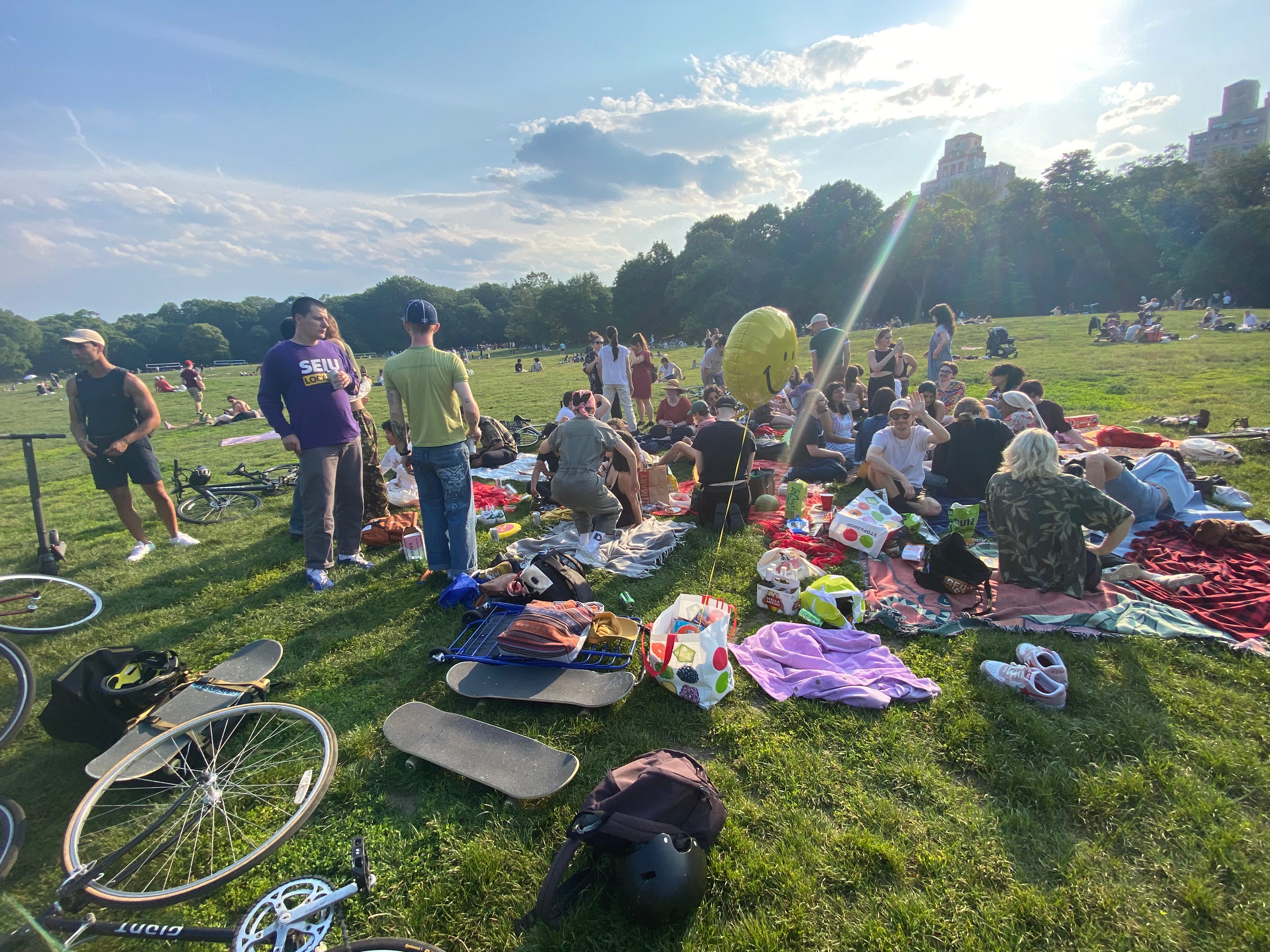
Last summer I also started a mentorship program independently to nurture animators who don’t necessarily have access to higher education and desire one-on-one attention. Our “EA Cheerleader” group also came from a desire to be together and talk about ideas in our living rooms, or to be able to show up and say “I have no idea what I’m doing” and talk through that with a small trusted group of other independent animators. Last Spring I started an annual animation festival at Parsons, where I teach, which was magical and I’m excited to continue to nurture that project. I’ve also done a couple of Saturday Morning Cartoon screening and installation events with a friend and curator, and would love to pick that back up again if time allows. I just love animators.
Check out more of Amanda’s work at www.amandabonaiuto.com
"I just love animators" <3
Great first interview back to EoF! Amanda is the best, and her new film idea sounds amazing!